Before a protest can take place, people need to know about it, why it is happening, who it is directed at and how they can participate or support. In open environments, public-facing campaigns, events and media engagement can be used freely. In restricted or high-risk environments, priorities shift, and methods that protect the identity of organisers and participants, avoid traceable records and do not create visibility that invites repression become essential. Many actions combine several of the approaches below, calibrating each to the context and the audience:
In-person
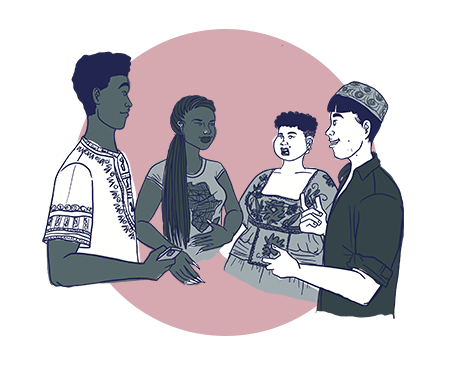
Community meetings
In-person gatherings to build consensus, answer questions and develop collective ownership of the action. These can also serve as informal training sessions where information about safety and legal rights is shared.
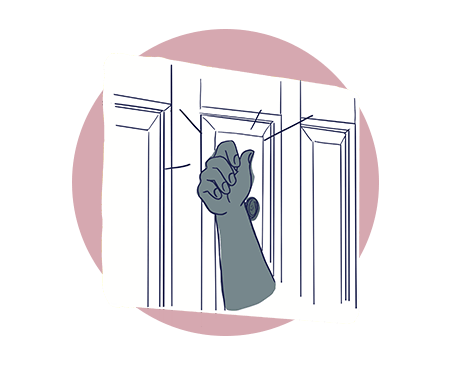
Door-to-door
Directly informing community members in person to raise awareness and encourage participation. This method is particularly effective in communities with lower internet access and can build the personal trust that turns interest into commitment.
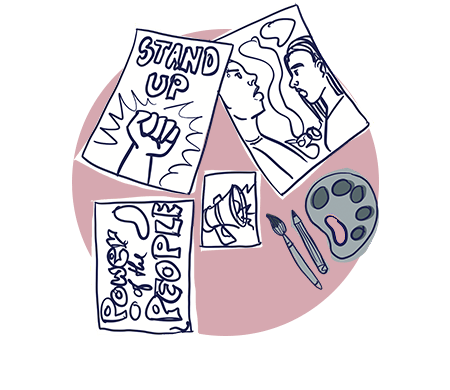
Artivism
Using art or creative expression, poetry, street art, graffiti, live performances, to communicate the protest’s message and inspire action. Artivism can reach audiences that conventional political messaging does not, and its ambiguity can make it harder for authorities to suppress or criminalise.
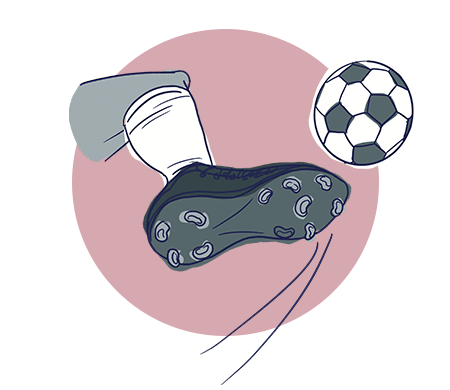
Sporting events
Organising or participating in sporting events to engage communities and spread the protest message. Large gatherings around sport attract audiences that may not respond to explicitly political outreach, create space for visible solidarity, banners, colours, chants and tend to attract less suspicion from authorities.
Digital
Digital campaign
Using social media, newsletters or online platforms such as Discord, Facebook or Bluesky to reach local and international audiences. Diversify across platforms to avoid over-reliance on any single channel that could be blocked or suspended. Use hashtags to aggregate and amplify content, but be aware that hashtags can also make participants vulnerable to monitoring.
Webinars
Online sessions to educate, discuss and mobilise participants safely and widely. Webinars can reach people across geographic boundaries and allow anonymous or pseudonymous participation. Use end-to-end encrypted platforms where possible and avoid requiring participants to use their real names.
Pamphlets
Printed materials that provide key information about the protest, its purpose and how to get involved. In restricted contexts, printed materials should not include the names or contact details of organisers. Consider using QR codes that link to encrypted channels rather than printing direct URLs.
Solidarity statements and open letters
Inviting allied organisations, public figures or academics to sign statements of support. These can be particularly powerful in generating media attention and international pressure in high-risk contexts, signalling that the movement has allies who are watching and will speak out if participants are targeted.