The work of the longer post-protest period falls into three areas: pursuing accountability for what happened, sustaining the wellbeing of those involved, and keeping the movement alive and coherent. Each is addressed in the sections below.
Documenting violations
Documentation is an act of solidarity as much as a legal tool. It signals to detained or injured participants that their experiences have been witnessed and will not be forgotten. It can also create a historical record, support legal proceedings to hold perpetrators and institutions accountable, and deter future abuses.
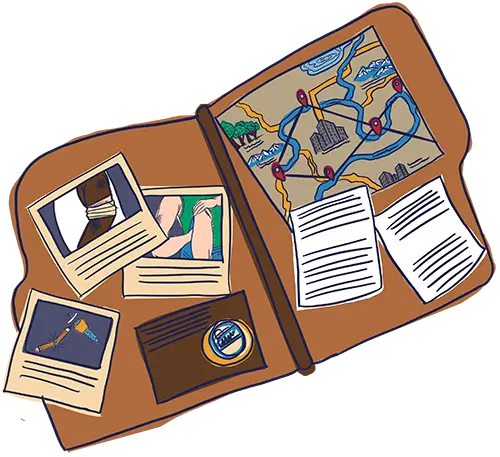
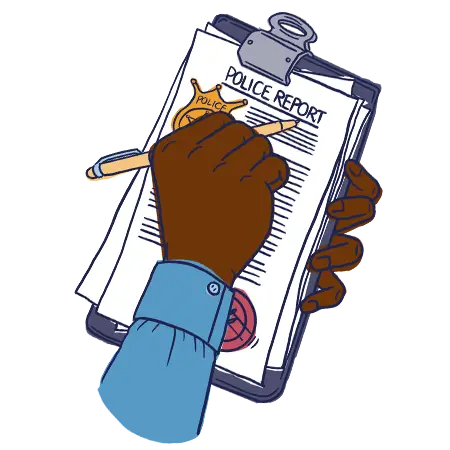
The incident documentation exercise in this section provides a working framework. For each significant incident, use of force, unlawful arrest, surveillance, threats or any other potential rights violation, compile a written record that includes: Date, time and precise location
Names or descriptions of all parties involved, including officers where visible (badge numbers, unit insignia, vehicle plates)
A factual description of what happened, in the order it happened
Names and contact details of witnesses who consent to being identified
Photographic or video evidence, with file names and storage location noted
Any injuries or damage, with supporting documentation
Use a consistent format across all reports so that incidents can be compared, aggregated and submitted to accountability bodies in a coherent form. Keep all original files intact. Do not edit or compress footage before sharing it with your legal team.
Reporting violations
Documenting a violation is only the first step, the documentation needs to go somewhere. The appropriate reporting channel depends on your context: the severity of the violation, the degree of trust in national institutions and the resources your team can mobilise. The channels below are not mutually exclusive, and their combination is often more effective than any single channel alone. In all cases, coordinate with your legal team before releasing evidence or identifying information publicly, and prioritise your safety.
Domestic mechanisms
If it is safe to do so, you may report an incident at a police station or to an internal police complaints body. Before doing so, consult a lawyer or trusted legal organisation: in some contexts, formal reporting can expose complainants to harassment or counter-accusations. Share evidence carefully and avoid posting it publicly until your legal team has advised on what is safe and strategically useful to disclose.
Civil society monitoring
Submitting documented violations to civil society organisations that compile evidence and produce public reports contributes to a cumulative record that can support future legal and diplomatic action, even when immediate accountability is not achievable. In many contexts, this is the most realistic avenue for most violations.
Media engagement
Providing documentation to trusted journalists creates accountability pressure through public exposure. Through your communications lead, issue a post-protest statement that summarises key incidents, names documented violations and reiterates the movement’s demands.
Practising collective care
Participation in protests, especially those involving violence, arrests or other traumatic events, places significant demands on people and communities. Normalising care and recovery as part of protest culture is what sustains movements over time. The steps below should be treated not as optional add-ons but as core components of post-protest coordination.
Regroup and check in.
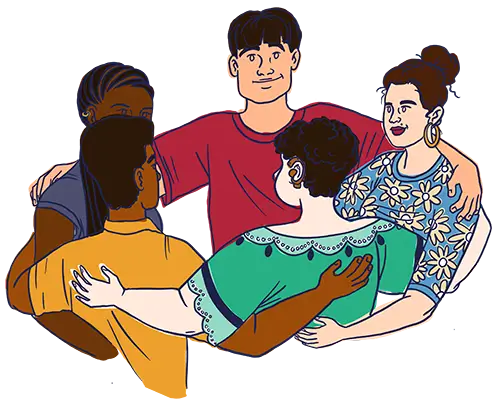
Regroup after the protest to check on everyone’s wellbeing. Check in individually with participants who experienced particularly difficult moments, those near violent incidents, those who were arrested, those who witnessed injuries. One-to-one contact signals that the collective cares for its members as people, not just as movement resources.
Hold a participant debrief.
Where it is safe, organise a debrief session, online or in person, with protest participants. Create space for people to share how they are feeling, what they observed, and what they would want to do differently. Acknowledge difficult experiences without minimising them. If participants are experiencing persistent symptoms of trauma, intrusive memories, nightmares, hypervigilance or emotional numbing, encourage them to access professional support.
Care for the carers.
Those in coordination roles, particularly the safety team lead and communications lead, are often the last to attend to their own wellbeing. Ensure that people in high-responsibility positions are actively supported by others in the team and are not expected to carry the emotional weight of the action alone. Rotate demanding roles across the team over time where possible.
Affirm the long-term struggle.
Burnout is one of the most common and most underacknowledged threats to social movements. Taking time after an action to acknowledge what was achieved, name what was difficult and recognise the contribution of every participant preserves movements’ capacity to act again.
Safeguarding the movement
State actors have historically used infiltration, disinformation and manufactured division to neutralise effective social movements. Co-option by political parties, NGOs or media actors with competing agendas poses an equally serious threat. Safeguarding your movement’s integrity is key to its long-term power.
The most effective safeguards are structural. Movements with transparent decision-making processes, distributed leadership and clear communication protocols are significantly harder to infiltrate or redirect than those built around personal authority or informal arrangements.
Beyond structure, be alert to specific tactics. Agents provocateurs may attempt to incite violence to justify crackdowns or discredit the movement publicly. Disinformation may be seeded within participant networks to cause confusion or internal conflict. Awareness of these tactics, without tipping into paranoia, allows the group to recognise and name them when they occur.