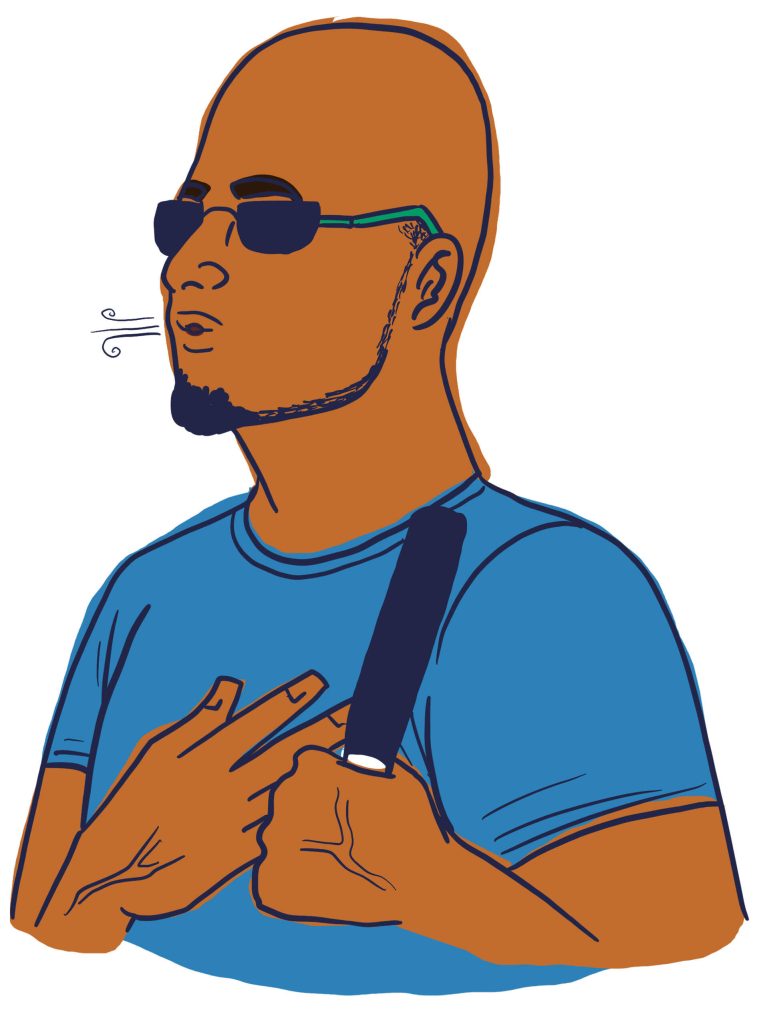
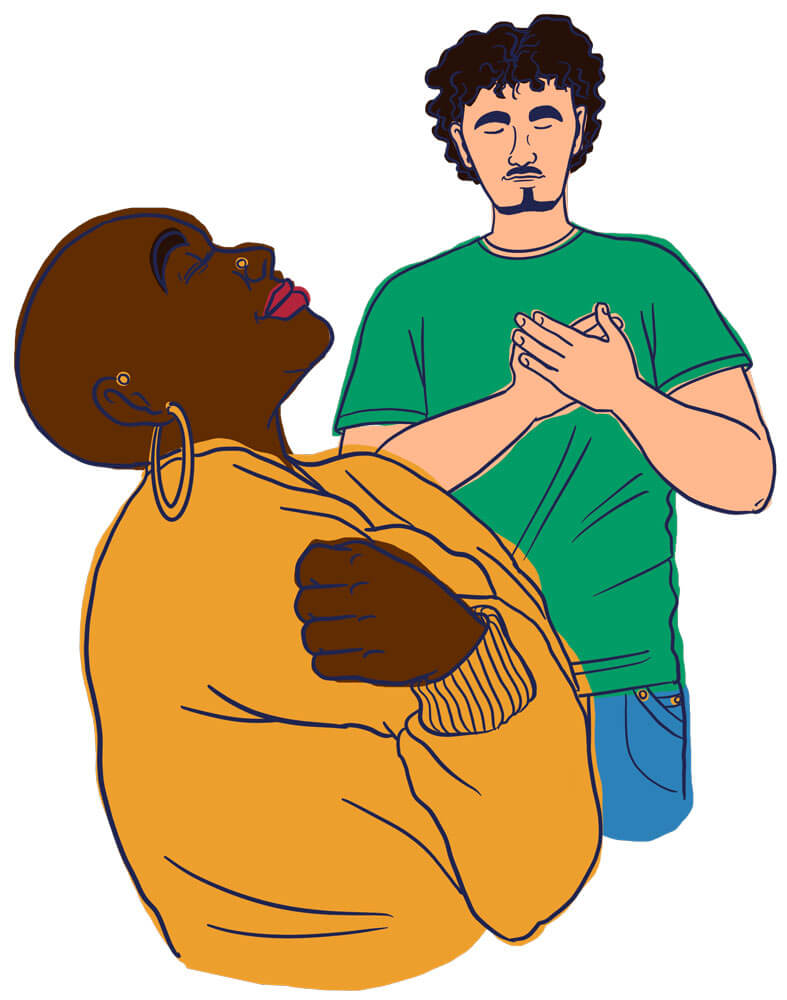
The wellbeing of protest participants is what sustains movements over time. Movements that neglect the emotional and physical health of their members end up losing them. This section covers in-action wellbeing practices; for post-protest recovery and collective care, see the After the protest section.
Stress and trauma responses are normal reactions to high-pressure or threatening situations. Common responses include hypervigilance, dissociation, numbness, irritability and difficulty concentrating, as well as physical symptoms such as rapid heartbeat or shaking. Recognising these signs in yourself and others is the first step to addressing them.
Check in on fellow participants regularly. Look for signs that someone is overwhelmed, withdrawal, silence, rigid posture, dissociation, and offer water, shade and a quieter space away from the crowd.
Take breaks when you need them. Stay within the group’s perimeter and let your buddy know where you are.
If you feel overwhelmed, use the grounding technique in the box below before deciding whether you need to step back further.
If a participant is experiencing an acute anxiety response or is unable to continue safely, they should leave with their buddy, never alone. Alert the safety team lead before leaving if it is safe to do so.
The 5-4-3-2-1 grounding technique
If you feel anxious and overwhelmed, this technique can help regulate your nervous system by anchoring your attention to immediate physical reality. Work through each sense in turn:
5 things you can see
4 things you can touch
3 things you can hear
2 things you can smell
1 thing you can taste
Take your time with each step. The technique works best when done slowly and deliberately.