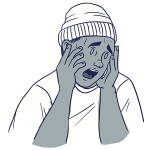
Physical safety during a protest depends on what you carry, what you wear, how the group communicates, and how participants are supported if things go wrong. Collective safety means treating these not as individual responsibilities but as shared ones.
Before you leave, consider carefully what to bring and what to leave behind. Anything that identifies your home address and your associations or that could be misrepresented as a weapon should be left at home. If you carry a mobile phone, ensure it is encrypted and cannot be unlocked using biometrics, which police can compel.
What to bring and wear:
Wear layers and clothing that does not restrict movement. Avoid clothing with identifiable logos, slogans or features that could make you easy to recognise in photographs or footage.
Bring water (for both hydration and rinsing tear gas from eyes and skin), sunscreen and any medication you need.
Carry copies of your notification form, emergency contacts and any health information relevant to your participation. Write key phone numbers on your arm in permanent marker; do not rely solely on a locked phone.
If tear gas is likely, bring swimming goggles (not just sunglasses), a mask rated N95 or above and a small bottle of water and saline solution.
Do not carry anything that police could misrepresent as a weapon.
What to do as a team:
Scout the route or protest site in advance. Identify safe entry and exit points, public facilities and potential hazards. Agree on a code word that signals the need to disperse and fix a post-dispersion meeting point known to all participants but not mentioned in any advance communications.
Designate a base contact, someone not physically present at the protest, who monitors communications and coordinates support from outside. This person must have the legal support number, the medical contact and a list of all participants.
Pair participants or form small groups to watch out for each other, maintain morale and provide immediate support if someone is in danger. Each pair needs a shared plan: where to meet if separated, who to call in an emergency and when to leave together. Never
leave a buddy behind without first establishing that they are safe.
First aid
The following guidance supplements, but does not replace, training by a qualified first aider. At least one trained first aider should be present at every protest action.
In hot conditions, watch for pale, clammy skin, dizziness, and nausea. Move the person to shade, give them water, and loosen tight clothing. If symptoms do not improve within 30 minutes or the person loses consciousness, seek emergency medical care.
If tear gas is used, move immediately upwind and away from the source. Do not rub your eyes. Rinse with large quantities of clean water. If available, saline solution provides more effective eye relief. Remove and bag contaminated clothing as soon as possible.
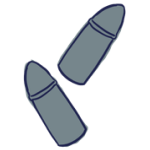
Treat rubber bullet injuries as you would blunt force trauma. Do not attempt to remove any embedded objects, stabilise the person and seek professional medical care immediately. Document the injury for accountability purposes.
Seek professional medical care for all wounds or injuries after the protest, including those that appear minor. Some injuries caused by crowd control weapons may not be immediately apparent in their full severity.