Working in small groups, read one of the scenarios below and build a partner map. Identify the categories of support most urgently needed. Allow 15-20 minutes, then share your map with the group. In the plenary, focus on disagreements: where did groups identify different partners or reach different conclusions about which contacts are safe to approach?
Scenario 1. Climate protest in Indonesia
A citizen-led group in Jakarta is planning a protest against deforestation and land-grabbing affecting Indigenous and rural communities. The group includes urban activists, journalists and representatives of affected communities.
Several environmental activists have faced criminal charges in recent years for organising protests against extractive industries, and at least one local civil society organisation supporting land rights defenders has had its permit revoked. Authorities have a track record of using administrative delays and permit denials to obstruct protests, and there are indications that the group’s communications have been monitored.
Questions
Given that local civil society groups have faced permit revocation for supporting land rights work, how do you assess which local partners are safe to approach openly, and which relationships need to be handled discreetly?
The group wants international solidarity organisations to amplify their message. What is the risk that high-profile international attention increases rather than decreases pressure on participants? How should that trade-off shape which international partners they engage, and how?
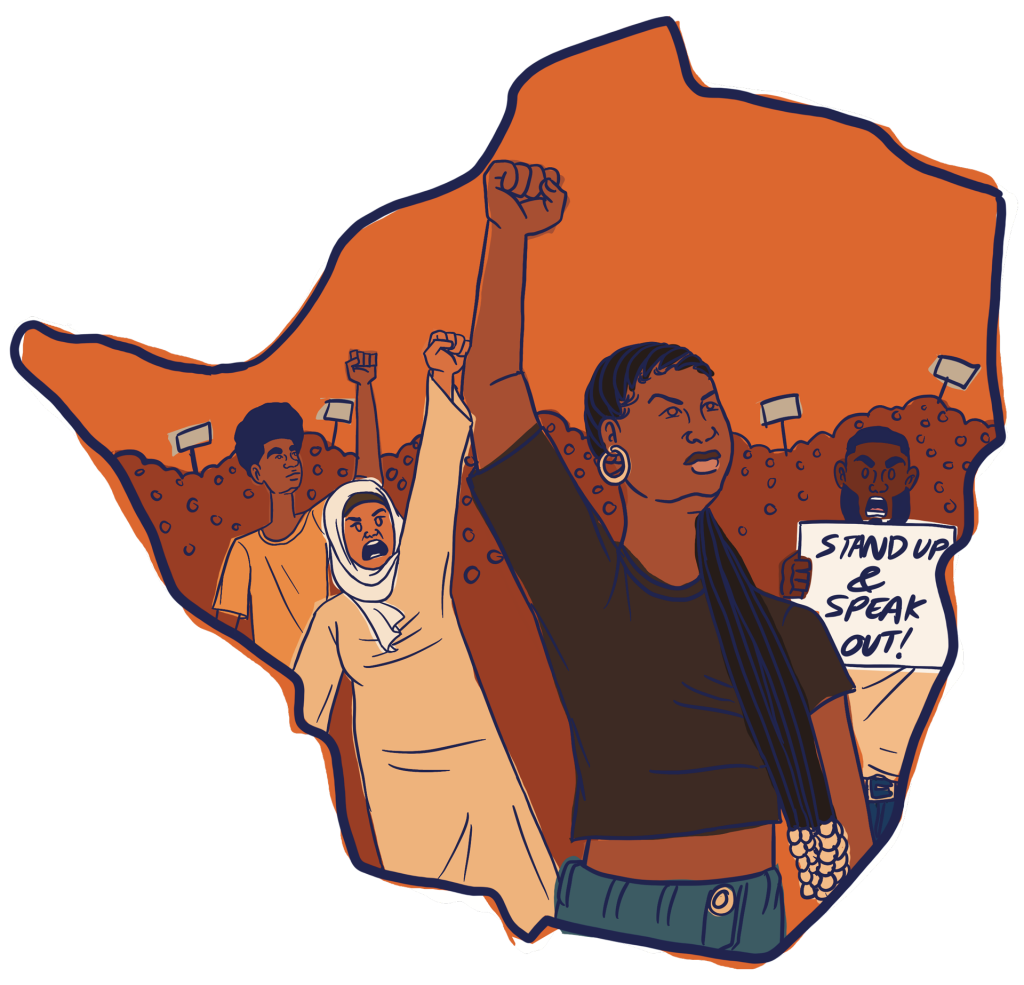
Scenario 2. Human rights protest in Zimbabwe
Activists in Harare are planning a protest to demand respect for human rights and political accountability ahead of a period of heightened political tension. Security forces have used force to disperse protests on multiple occasions, and several opposition leaders and civil society figures have been detained in recent months. The group is aware that at least one previous organising meeting was attended by a government informant.
The group has limited funds, no existing relationship with a lawyer, and is uncertain which local civil society organisations can be trusted given the infiltration of previous organising efforts.
Questions
The group has no existing relationship with a lawyer and suspects its networks have been infiltrated. How should it identify a trustworthy legal contact, and through what channels should it make that approach without alerting authorities or exposing the contact to risk?
The group cannot rely on local partners alone. Which regional or international organisations have a specific track record in Zimbabwe, and what can they realistically provide?
If several participants are arrested during the protest, what is the step-by-step response plan for the first two hours, and which partners need to have been briefed in advance for that plan to work?