Choosing a place or platform is not just a logistical decision, it shapes who can participate, how visible the action will be, and how exposed participants are to risk. When choosing a location, balance strategic visibility against safety: symbolic locations, a parliament, a company headquarters, a central square, amplify a message, but in restrictive contexts a less prominent space may be safer and still effective.
Static assembly
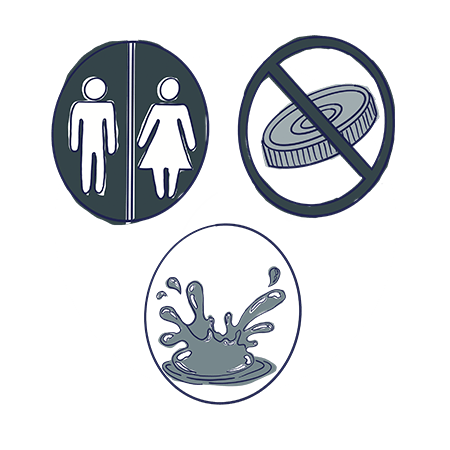
Assemble in publicly accessible areas where participants can enter and exit freely, and where basic facilities, restrooms, water, shade, are available. Plan for accessibility from the outset: are routes navigable for people with disabilities? Are there entry points that can be monitored by marshals? Are there areas of shade or shelter if the weather is extreme? Accessible design is not an afterthought; it determines who can actually participate.
March or procession
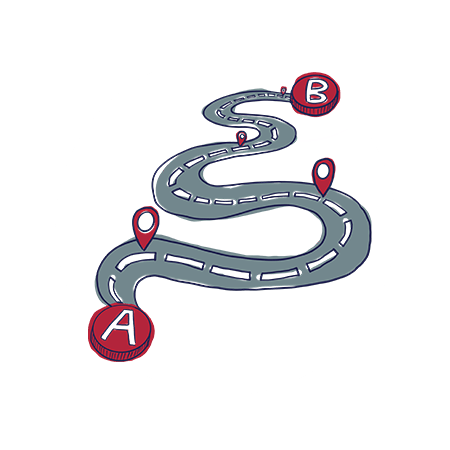
If your protest moves from one location to another, plan and walk the route in advance as a coordination team. Identify the roads you will use, note distances so participants can prepare, locate restrooms and safe stopping points, and flag any potential chokepoints that could create crowd safety risks. In high-risk contexts, share the finalised route only with your core coordination team until the last possible moment, and identify at least one alternative route in case the primary one is blocked.
Digital action
If your action is online, choose platforms that are accessible to your intended audience and not banned or restricted in your country. Establish a clear protest identity, a name, hashtag and schedule, and coordinate across multiple channels: no single platform reaches everyone, and accounts can be suspended or throttled without warning. Use different channels for public-facing communication and private coordination.